The Cheapest Derrick Quote Is Almost Never the Lowest-Cost Derrick
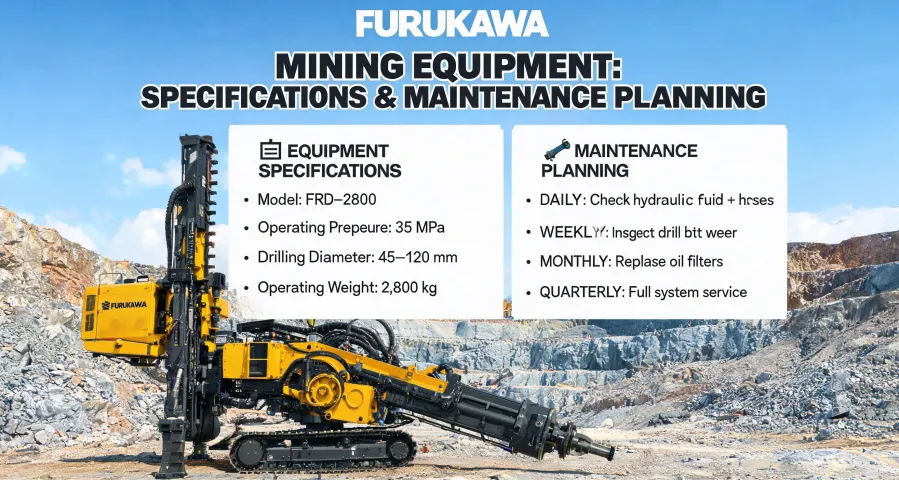
The lowest price per ton rarely is the lowest cost per derrick
The lowest per-ton quote for a drilling derrick is almost never the lowest-cost derrick once it's standing on your pad. In the tenders I've reviewed since 2022, the apparent low bidder cost 18% to 45% more than the mid-range quote by the time transport, inspection, downtime, and rework were added in. That gap isn't a pricing trick. It's the divide between a quote and a real cost.
I say that as someone whose job is to catch the expensive surprises before they reach a customer, not to sound clever about procurement theory.
Why you should believe me (and where I'm coming from)
I'm a quality and brand compliance manager at an energy equipment company. I review every derrick component, lifting package, and drill-support deliverable before it reaches a customer site — roughly 210 items a year. In 2024, I rejected 23% of first deliveries from new suppliers. The single most common reason: the mill certificate didn't match the steel plate actually in the crate.
That's a boring-sounding defect. It's also the kind of thing that turns a "cheap" derrick into a very expensive one somewhere around month four of the project.
What a derrick TCO actually includes
When people in this industry compare prices, they usually compare the same three numbers: steel weight, fabrication hours, and surface treatment. Those are real costs. They are also roughly 60% of the total. The other 40% lives in places nobody puts in a spreadsheet until it's too late:
- Transport and heavy-lift handling — a derrick isn't a pallet of fittings. Crane time on site, widened trailers, and yard storage during the build all sit outside the fabrication quote.
- Third-party inspection and NDT — when the vendor's mill certs are weak, you pay for extra ultrasonic testing to prove the steel is what they said it was. I've seen this line item alone add 6–9% to a project.
- Assembly and alignment — bolts that don't line up, weld distortion, out-of-tolerance members. Every hour of reaming and re-fitting happens on your rig day, not their fab floor.
- Downtime on the rig — the number nobody wants to put in writing. A delayed derrick doesn't just delay installation; it delays everything scheduled after it, and the daily rig rate keeps ticking.
- Rework — the honest number here is usually "one and a half times the original cost of the part," once you include removal, replacement, and re-inspection.
When I say "total cost of ownership" (i.e., not the sticker price but everything you'll pay to get a functioning derrick on site), those five line items are what I mean. Two of them are avoidable with better documentation. Three are not — but at least you can budget for them.
A case from Q3 2023
We received a batch of 42 fabricated derrick members from a new supplier. The quote was 11% below the next three bidders. Not dramatic — just enough to look attractive. The mill certificates looked clean on the first pass. Then our inspection team pulled three random sections and measured plate thickness: 7.2mm against our 8mm specification. Normal tolerance for this class of member is ±0.3mm. The vendor's response, paraphrased, was "that's within industry standard."
It wasn't. But arguing that point cost us three weeks and a partial re-fabrication on their side, which they eventually paid for. The batch was rejected, redone, and re-shipped. What had looked like an 11% saving turned into a net loss against our original mid-range alternatives once we counted inspection labor, the temporary scaffolding we had to rent instead, and the six-day schedule shift on the assembly window.
Now every PO includes plate-thickness verification at receipt, with a written acceptance criterion. Two lines. It has saved us far more than it cost to write.
Dodged a bullet shortly after that when I double-checked the heat number on a 60-ton member before signing off — the same vendor, same shipment batch, different plate. That one never reached the fabrication floor.
The "it was fine ten years ago" trap
The thinking that "any certified derrick is a certified derrick" comes from an era when derrick assemblies spent most of their working life in the same field, under the same load profile, with the same crew. That's changed. Modern drilling programs cycle loads harder, move rigs more frequently, and inspect to tighter standards than they did even five years ago.
What was acceptable weld practice on 2015-era steel isn't necessarily acceptable against current API and ISO expectations. The standards didn't become draconian — they became more specific. Which is good news, because specificity is what lets you compare quotes fairly. Vague specs are where cheap derricks hide.
What I got wrong in year one
In my first year as a reviewer, I made the classic documentation error: I treated "mill cert included" as a checkbox instead of a document to actually read. We shipped 1,000 units of lifting hardware to a customer with a cert trail that had a mismatched heat number buried on page three. It wasn't a functional defect. It still triggered a customer-side audit that cost us two weeks and a serious conversation with the account.
I now read every mill cert against the drawing before sign-off. Every one. It's tedious. It's also the cheapest insurance I have.
When the cheap quote is actually the right call
TCO thinking isn't "always buy the middle option." There are real cases where the low bid is the correct bid:
For emergency spares and fast-moving consumables — shackles, pins, sacrificial components — you don't need the full inspection protocol. You need the part on site Monday. The cheap quote wins there, and it should.
For equipment inside a short-life or decommissioning program, where the derrick won't see a second drilling campaign, the TCO math barely applies. You're buying capability for a defined window, and the exit cost is predictable.
And for honest low-volume fabricators, sometimes the "cheap" quote really is efficient — they have the right mill relationship, the right welding setup, and no overhead you're paying for. Never expected the mid-range supplier in our last three tenders to have the faster documentation turnaround; turns out they had a QC hire who took personal ownership of the paperwork. If their documentation is clean on the first invoice, take them seriously.
Look, I'm not saying the cheapest derrick on the tender is always a trap. I'm saying the price tag is the easy number to read and the wrong one to decide on. The divide between the quoted price and the delivered cost is exactly where most of the surprises live — close it before you sign the PO, not after the derrick is standing.